Federal Way
Public Schools

November is National Native American Heritage Month, a time our district and schools celebrate the significant and countless contributions, rich and diverse ancestry, cultures, traditions, and histories of our nation’s first people.
Federal Way Public Schools acknowledge that our schools are on the traditional homelands of the Puyallup and Muckleshoot Tribes. The Puyallup and Muckleshoot people have lived on and stewarded these lands since the beginning of time and continue to do so today. We recognize that this land acknowledgement is one small step toward true allyship, and we commit to uplifting the voices, experiences, and histories of the Indigenous people of this land and beyond.
We are honored to join together in ensuring a strengthened and meaningful public-tribal relationship with our closest federally recognized tribe, The Puyallup Tribe. FWPS is deeply committed in cultivating relationships with our local tribal community, educating our scholars on Native American history and the ancestral lands we reside on, and supporting our scholars who identify as Native Americans. Learn more about the FWPS Native Education Program.
Heritage Month is more than a date on the calendar; it's a reflection of who we are. At FWPS, we strive to ensure our schools reflect the rich diversity of our community where every scholar feels a deep sense of belonging and is truly seen, valued, and heard.
Celebrating and learning about all cultures enriches our scholars' experiences and strengthens our collective understanding. Join us in using this time to uplift Indigenous histories, cultures, and traditions — not just during Heritage Month, but throughout the year. Let’s share stories, knowledge, and resources as we honor truth and deepen our commitment to inclusive education. Here are additional resources to help you explore Native American Heritage and Culture:
View additional recognitions in the FWPS Cultural & Religious Calendar here: www.fwps.org/culturalcalendar and see how your school is celebrating by visiting their Facebook page which can be found at www.fwps.org/schools.
What if students could use technology to solve real environmental challenges in their own school community?
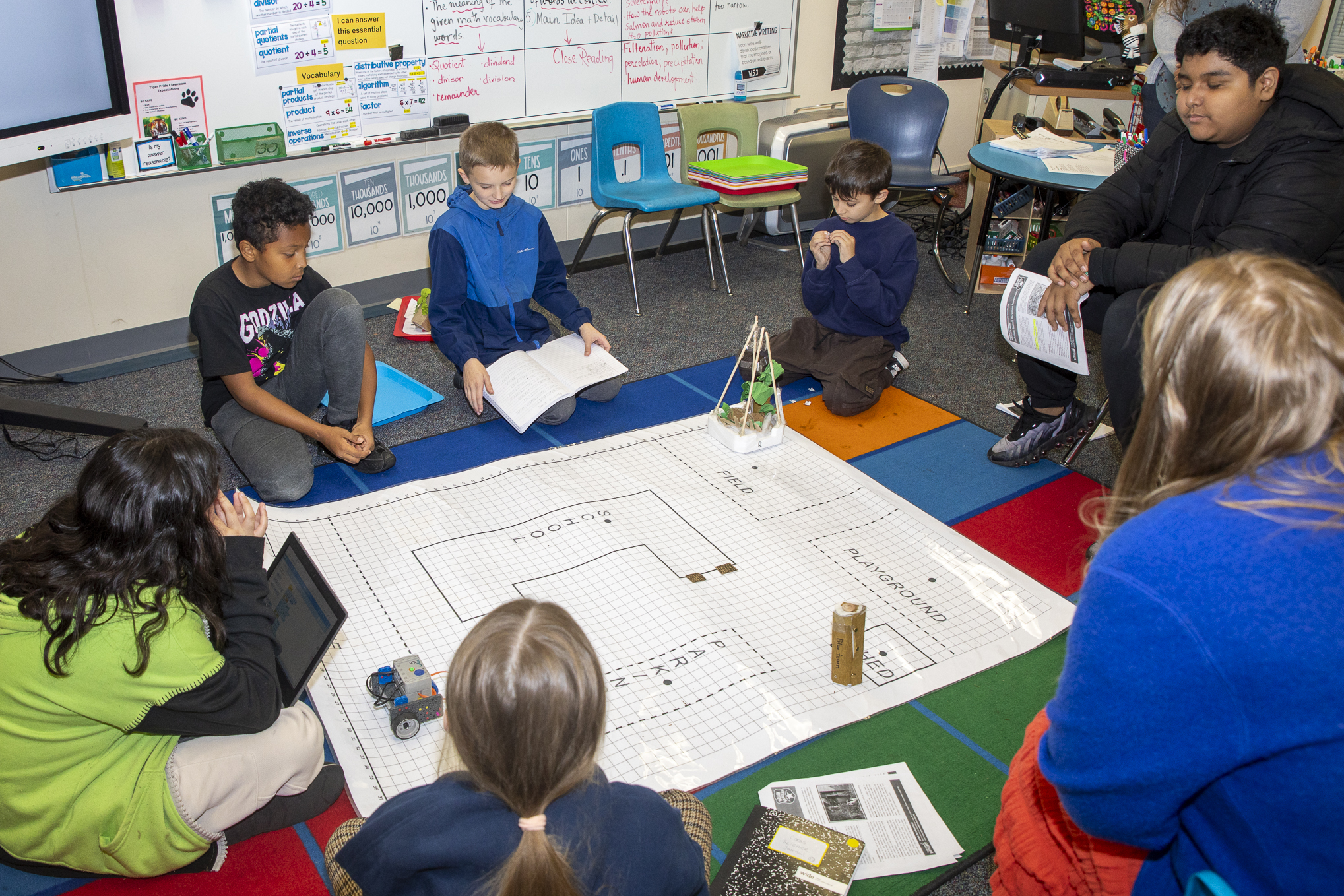
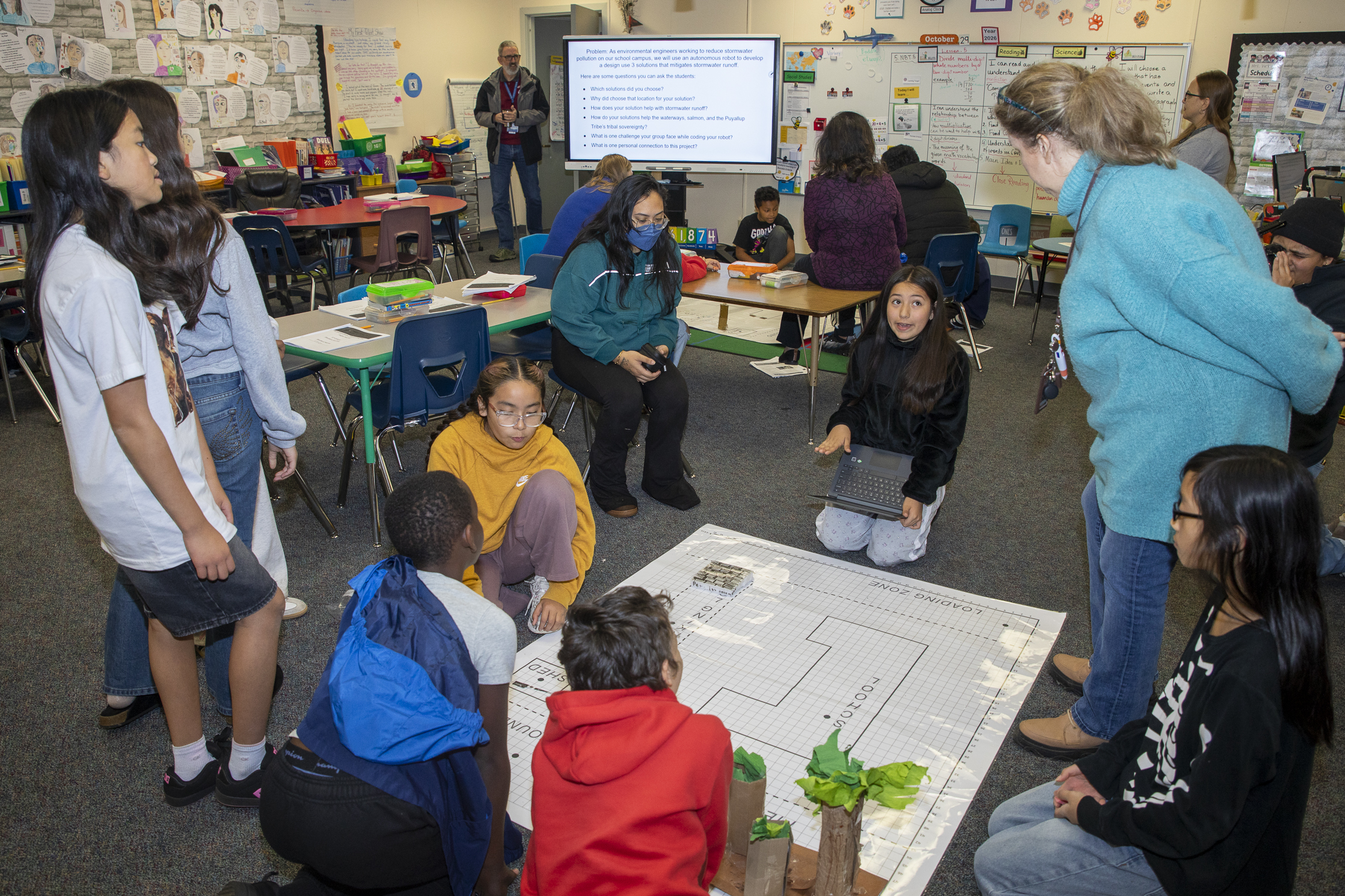
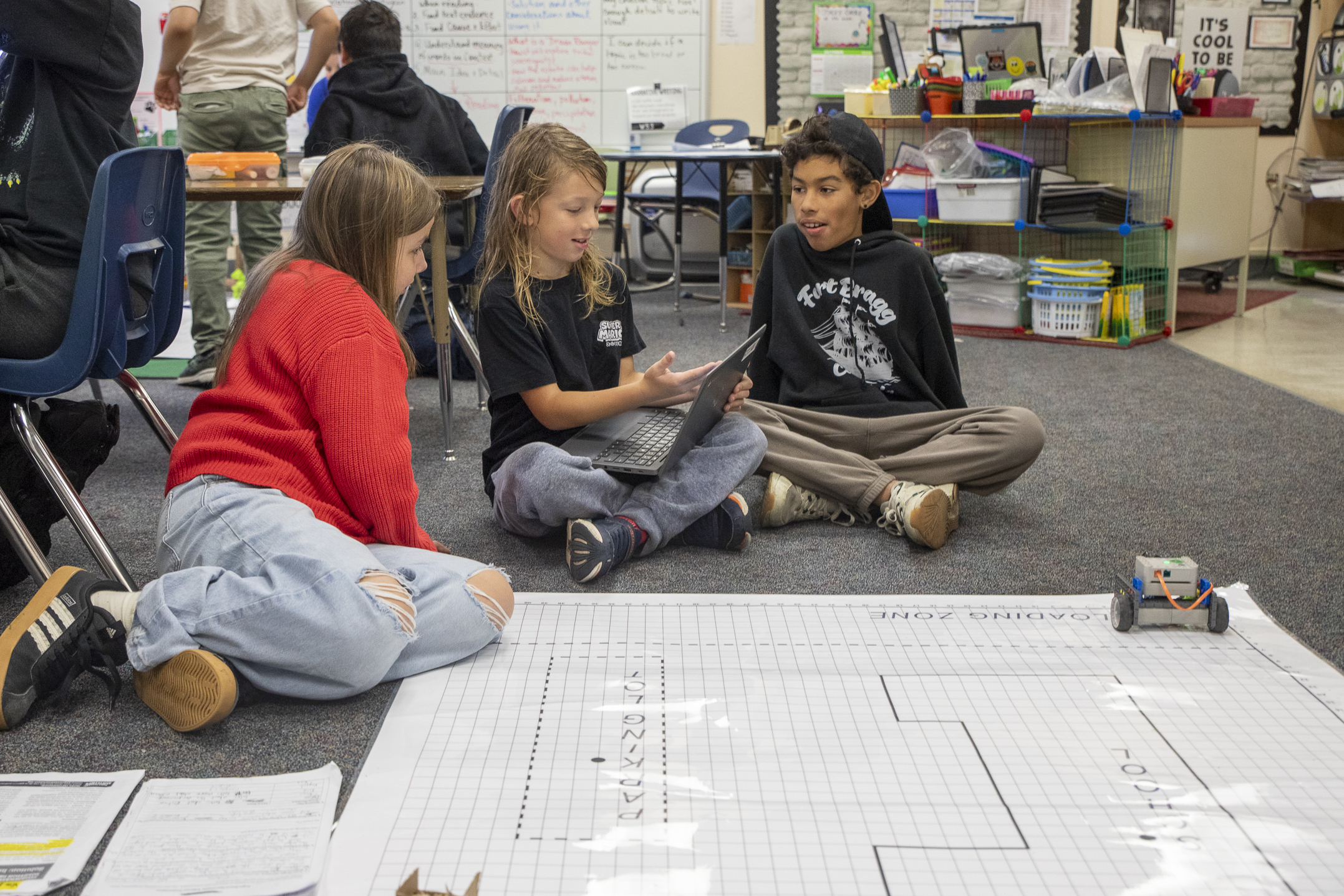
That question inspired fifth graders in Asha Varkey's and Betsy Bockoras' classrooms at Brigadoon Elementary as they took part in the RoboGuardians: Stewarding the Puget Sound, a Project Lead the Way (PLTW)/Water Works STEM Unit, part of the fifth grade John McCoy (lulilaš) Since Time Immemorial curriculum (JML STI), and in partnership with the Technology Access Foundation (TAF).
Asha explained what the students explored in this project:
In this unit, students addressed topics that included ELA, Science, Math, and Social Studies.
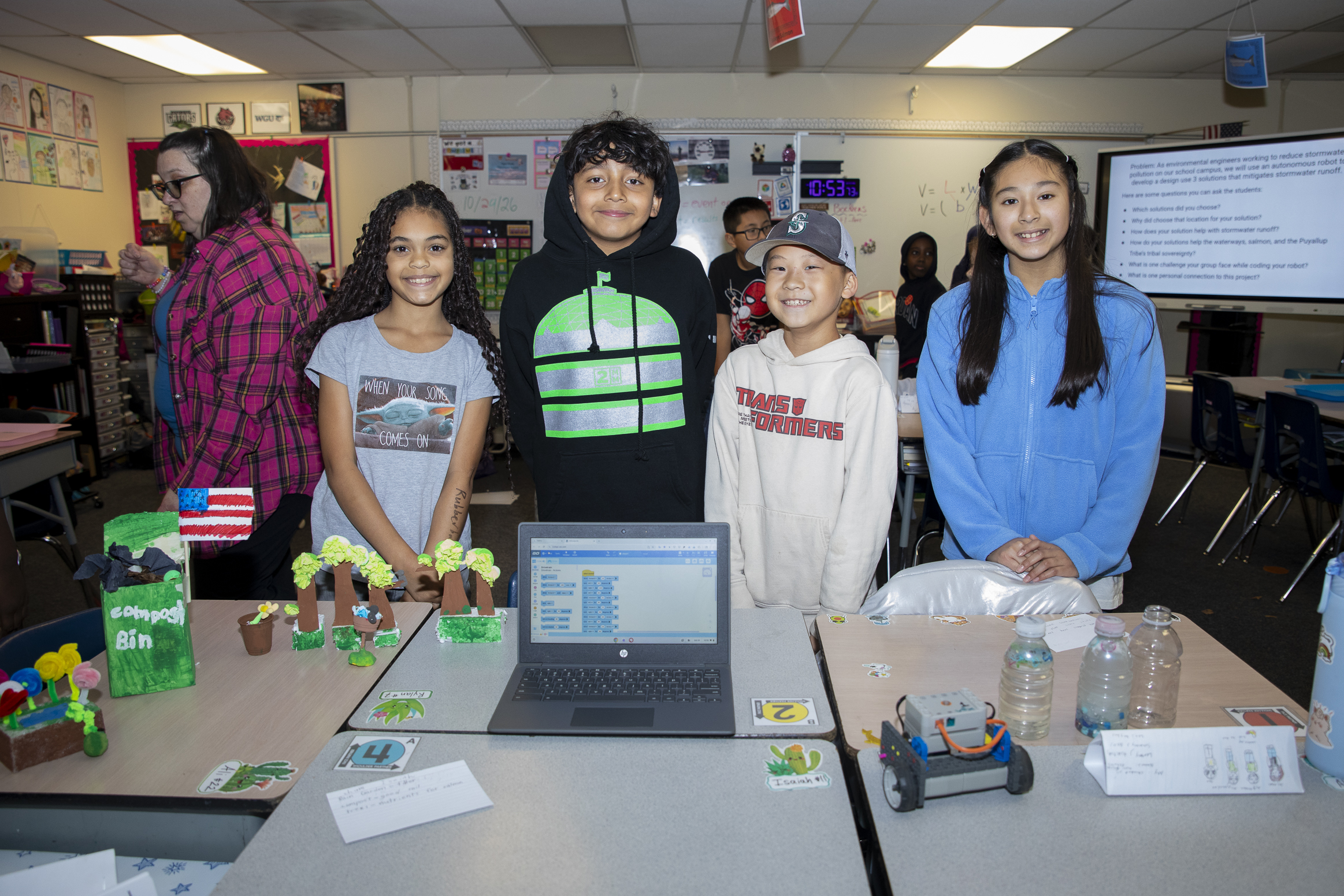
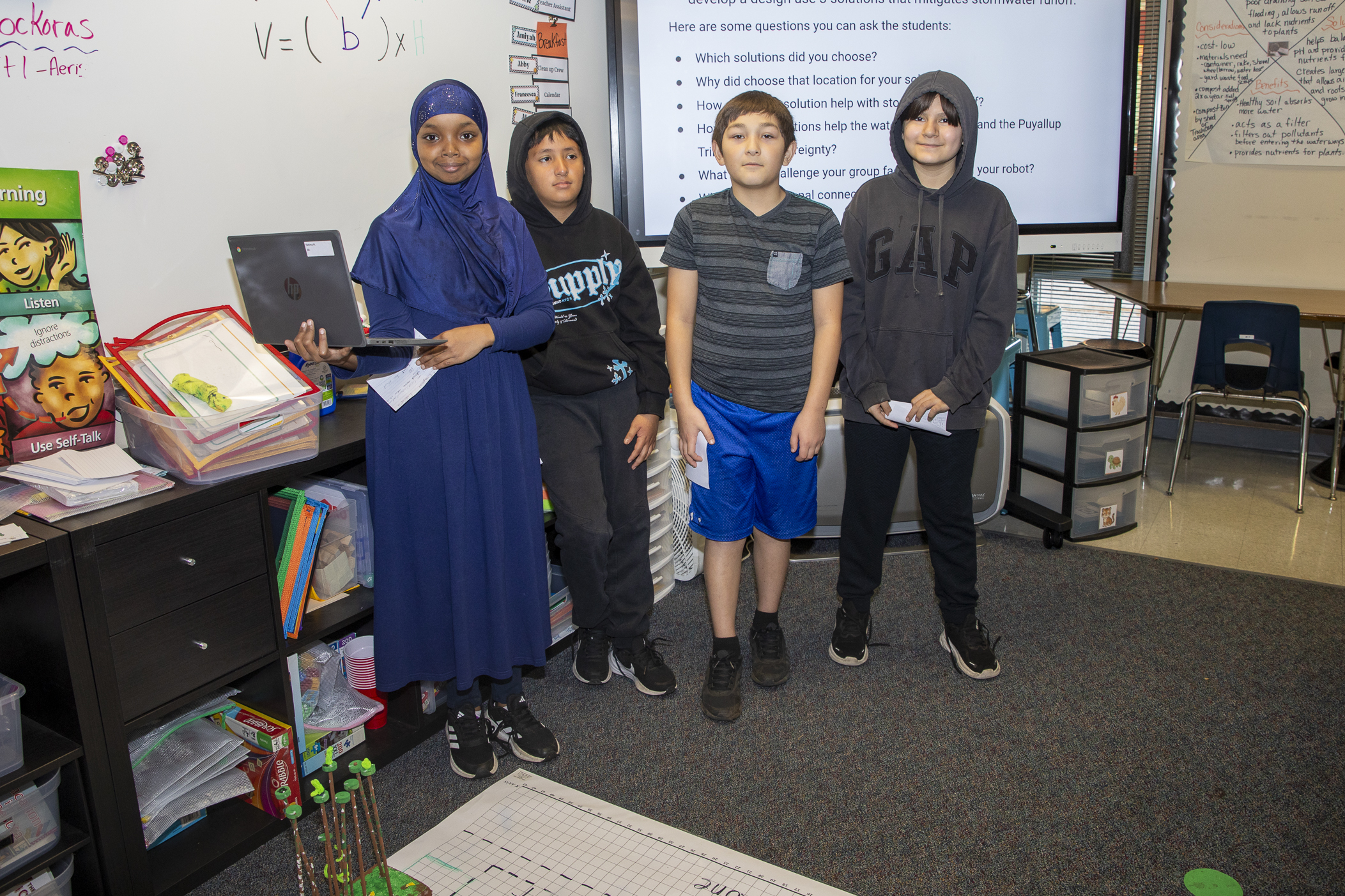
Working in teams of three to five students, they learned about tribal sovereignty and found out how robots can help salmon and cut down on stormwater pollution. Each team traced the path stormwater takes and how it affects salmon. They came up with a creative robot solution to reduce pollution, and they explained why water is so culturally and economically important to the Puyallup Tribe.
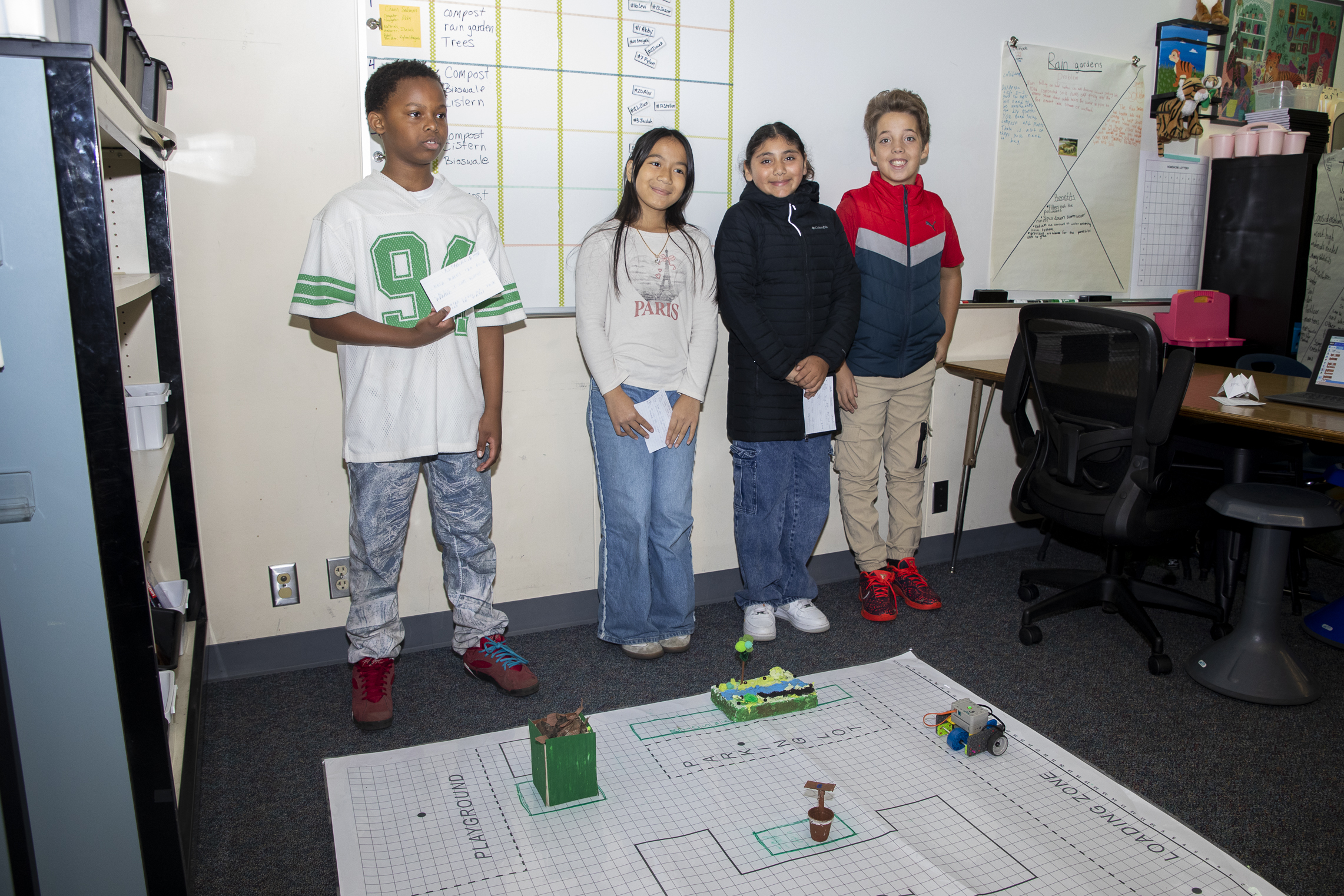
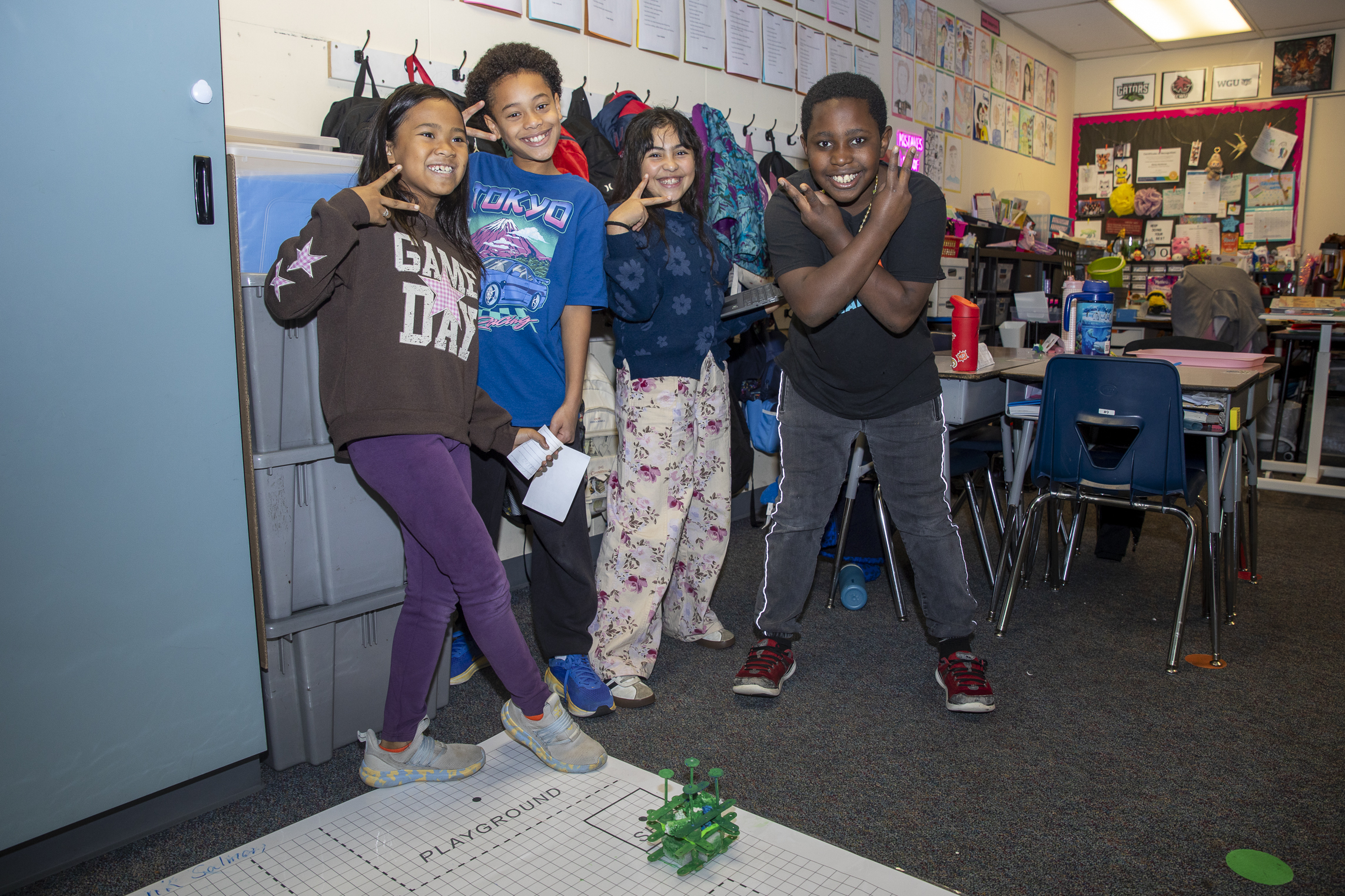
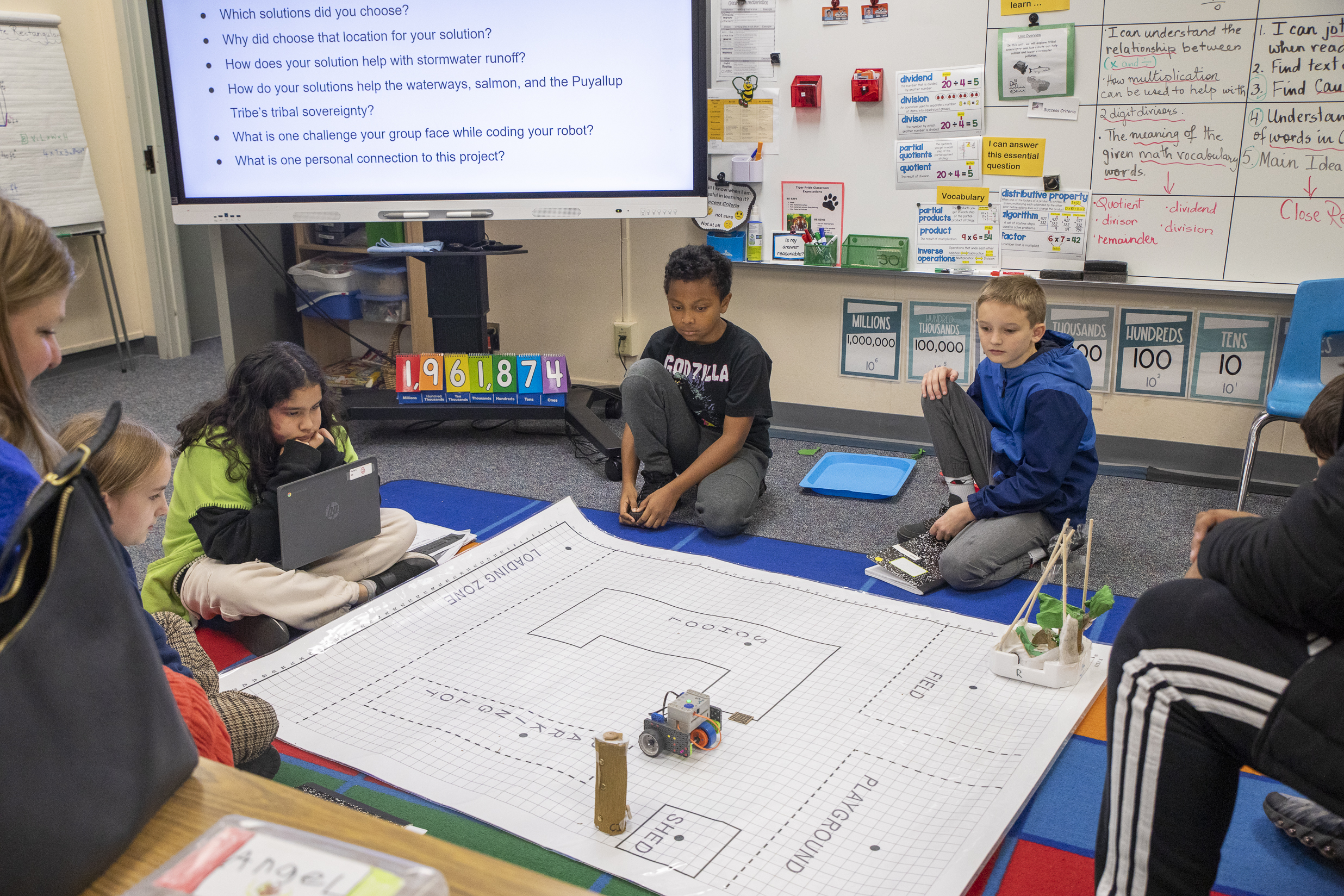
Students researched local ecosystems, explored environmental issues affecting their campus, and programmed robots designed to help create sustainable solutions. Each student had a job, as a programmer, navigator, tester, or recorder.
As part of the project, students learned about the life cycles and interconnected roles of trees, composting systems, and salmon populations in our region. They also explored the cultural significance of salmon and environmental stewardship to local Tribal communities.
One student-team focused on reducing stormwater pollution and supporting salmon habitats.
“Our project is to help the salmon and the Puyallup Tribe and to reduce stormwater pollution,” shared Mairelly.
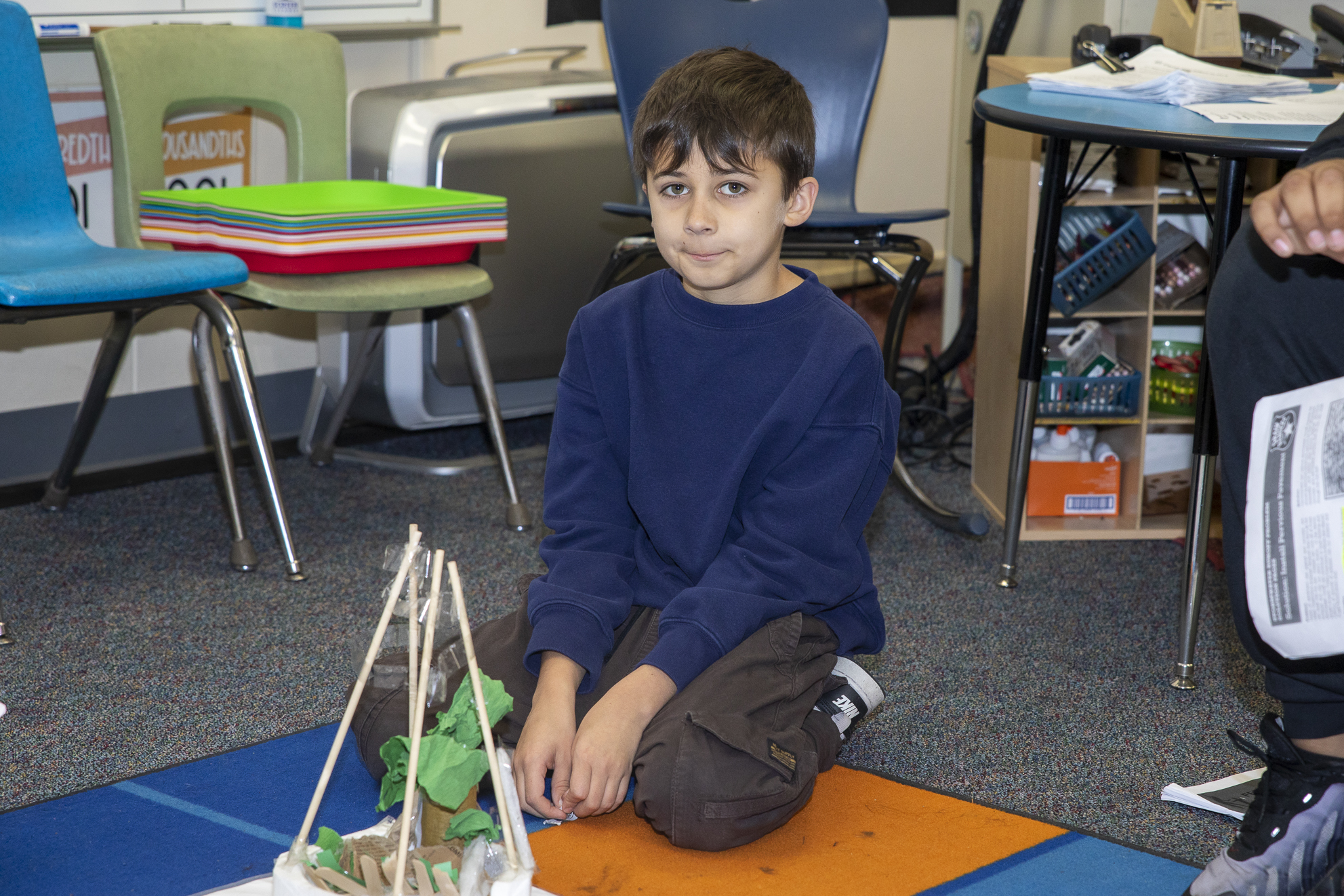
The team designed and programmed a robot that could maintain the school's rain garden by removing weeds and transporting them to a compost bin. The robot would then distribute compost back into the garden to improve soil health and support plant growth.
“Our robot goes to the rain garden and takes out the weeds and takes them to the compost bin,” explained one student. “Then it spreads the compost around to help the soil break down and the trees grow. It’s important to learn this so we can take care of our ecosystem and planet.”
Students also connected their classroom learning to broader environmental impacts.
“It’s better for salmon because the rain garden filters the water,” another student said. “If we didn’t have salmon, the ecosystem would be a little bit bad.”
A teammate added that trees provide vital habitat and nutrients for wildlife, while another student noted that rain gardens help reduce soil erosion.
Another group tackled water conservation by designing a robot that would filter water collected in the school's cistern and transport it to irrigate plants around campus.
For many students, the project opened the door to new interests.
“My favorite part of the project was making the models and learning how to filter water for salmon,” shared one student.
Another student expanded his passion for coding that he has discovered earlier this year in summer school.
“My favorite part was programming. It was super fun! I would like to do more programming at school,” he said.
The teachers expanded on how connected this project is to our community: "We want to help everyone understand how stormwater pollution harms our water and wildlife. It’s a problem all over the world, and it matters right here at home.
For TAF leaders, the project demonstrates the power of connecting academic learning to authentic, real-world challenges.
“The partnership between TAF and FWPS is so exciting because we can bring these projects to life for students,” said Bethany Avery, Senior Program Manager at TAF. “It’s more than just a coding project. Students are thinking about how solutions, like using compost from the cafeteria, could positively impact their school and community.”
Avery explained that project-based learning helps students make deeper connections by applying concepts from science, math, reading, and technology to situations they experience every day.
“Students are solving real problems that matter to them,” Avery said. “They get to code, build models, think through scientific concepts, and apply what they're learning across subjects. It makes learning meaningful because they can see how their ideas could have a real impact on their school.”
The learning objectives of the fifth grade JML STI unit is a three-week unit are:
· Identify the names and locations of tribes in their area.
· Understand tribal sovereignty is "a way that tribes govern themselves in order to keep and support their ways of life"
By combining technology, environmental stewardship, and hands-on learning, Brigadoon students are building valuable skills while imagining innovative ways to make their community stronger and more sustainable.